In the ever-evolving landscape of internet technology, "Web3.0" has emerged as a buzzword, frequently discussed in tech circles, investment forums, and academic debates. But what does this term mean in English, and how does its translation reflect the core ideas shaping the future of the digital world? To understand Web3.0 fully, it is essential to unpack its English definition, explore its key characteristics, and examine why this translation matters in global discourse.
What Is the English Translation of "Web3.0"?
The term "Web3.0" is a direct translation of the Chinese "Web3.0," with no linguistic alteration—its structure mirrors the original, using "Web" (short for "World Wide Web") and the numerical suffix ".0" to denote a major iteration or version. In English, "Web3.0" is commonly referred to as the "Third Generation of the Web" or "Web3" for short. This nomenclature follows the evolution of the internet: Web1.0 (the "Static Web," 1990–2004) was a read-only era of one-way information dissemination; Web2.0 (the "Social Web," 2004–present) introduced interactivity, user-generated content, and centralized platforms (e.g., social media, e-commerce). Web3.0, by contrast, represents the next leap: a decentralized, user-centric internet built on blockchain, artificial intelligence (AI), and semantic technologies.
Key Connotations of "Web3.0" in English Context
The English translation of "Web3.0" is not merely a label—it encapsulates a paradigm shift in how the internet is structured, owned, and used. Below are its core connotations, often emphasized in English-language discourse:
Decentralization: Breaking Free from Centralized Control
A cornerstone of Web3.0 is its rejection of the centralized gatekeepers that dominate Web2.0 (e.g., Big Tech companies like Google, Meta, and Amazon). In English, this is often summarized by the phrase "read-write-own"—a progression from Web1.0’s "read-only" and Web2.0’s "read-write." Using blockchain technology, Web3.0 enables peer-to-peer interactions without intermediaries, allowing users to truly "own" their data, digital assets (e.g., NFTs), and online identities. For example, in a Web3.0 social media platform, users—not corporations—control their content and monetize it directly.
Semantic Web: Making the Internet "Understandable"
Coined by Tim Berners-Lee (the inventor of the World Wide Web), the "Semantic Web" is a critical component of Web3.0 in English terminology. It refers to an internet where data is interconnected in a way that machines can "understand" context and meaning, beyond mere keyword matching. Through AI, machine learning, and standardized data formats (e.g., RDF, OWL), Web3.0 aims to create a more intelligent, intuitive web—one that can personalize experiences, automate complex tasks, and deliver precise information (e.g., a smart assistant booking a trip by integrating preferences, schedules, and real-time data).
Blockchain and Tokenization: The Foundation of Trust
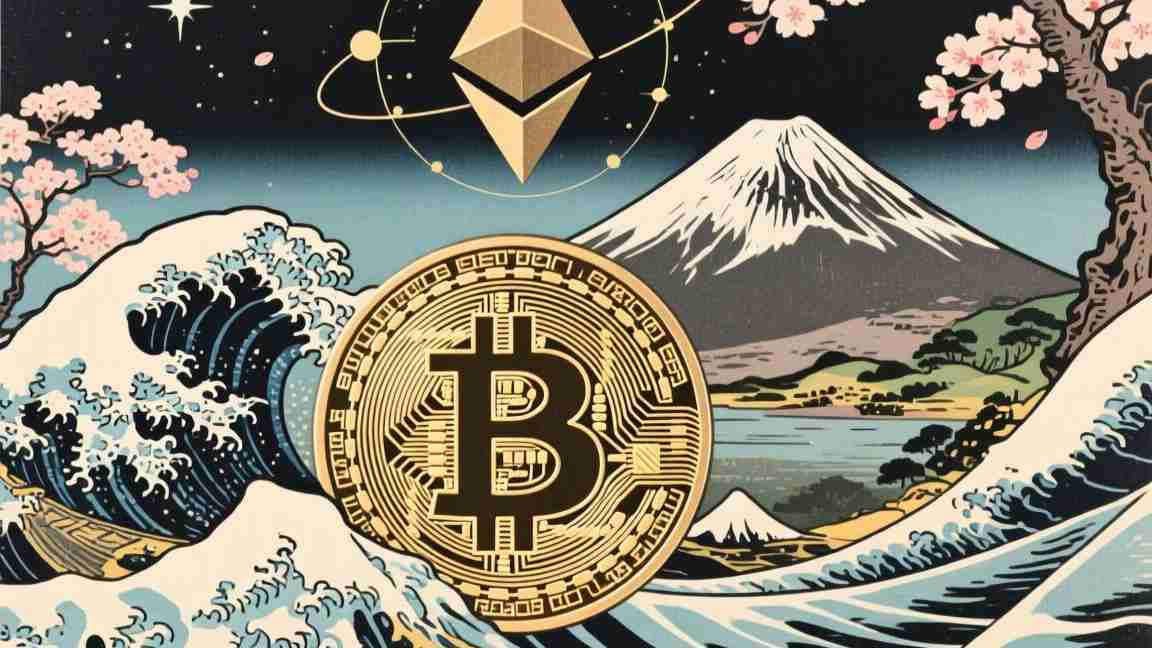
In English discussions, Web3.0 is inextricably linked to blockchain—a distributed ledger technology that ensures transparency, security, and immutability. Blockchain enables tokenization, where real-world or digital assets are represented as tokens on a blockchain, allowing for fractional ownership, seamless transfers, and decentralized governance (via DAOs—Decentralized Autonomous Organizations). For instance, a
User Empowerment: From "Consumers" to "Participants"
Unlike Web2.0, where users are often "products" (their data monetized by platforms), Web3.0 reframes users as "participants" or "co-owners." The English term "user sovereignty" is frequently used to describe this ideal: individuals have control over their digital lives, with verifiable credentials (e.g., blockchain-based diplomas, medical records) and the ability to port data across platforms seamlessly. This shift aligns with the broader ethos of "decentralized finance" (DeFi), "decentralized identity" (DID), and "creator economy" movements gaining traction in English-speaking tech communities.
Why the English Translation Matters
The term "Web3.0" in English is more than a technical label—it is a cultural and ideological signpost. It signals a break from the Web2.0 status quo, where power and profit are concentrated in the hands of a few. By emphasizing decentralization, user ownership, and machine-readable intelligence, the English translation frames Web3.0 as a movement toward a more open, equitable, and efficient internet.
However, it is important to note that "Web3.0" is not without critics. Skeptics in English discourse argue that it is overhyped, prone to regulatory challenges, and vulnerable to the same centralized forces it seeks to disrupt (e.g., wealthy crypto investors or dominant blockchain protocols). Despite these debates, the term has become a shorthand for a bold vision: an internet that serves humanity, not corporations.
Conclusion
The English translation of "Web3.0" as the "Third Generation of the Web" encapsulates a transformative vision for the future of the internet—one rooted in decentralization, semantic intelligence, and user empowerment. While its realization remains a work in progress, the term itself has galvanized a global conversation about reimagining digital life. As Web3.0 technologies continue to evolve, its English-language definition will remain a key reference point for understanding how the next internet era might unfold—shaping everything from finance and art to governance and daily communication. In short, "Web3.0" is more than a translation; it is a roadmap for the future of the digital world.